Pumps
Product Information
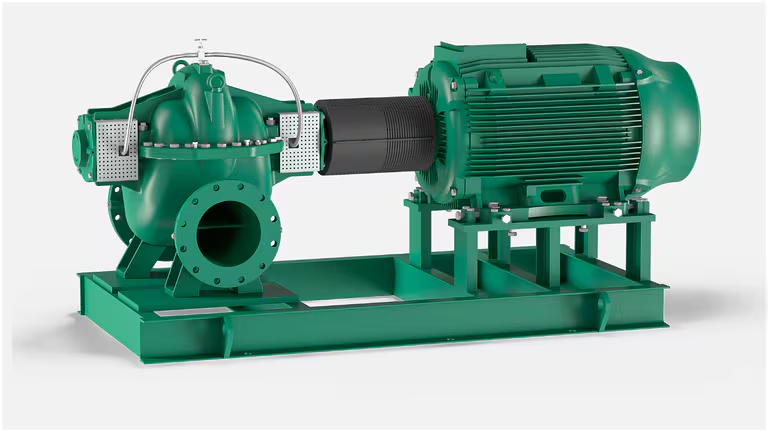
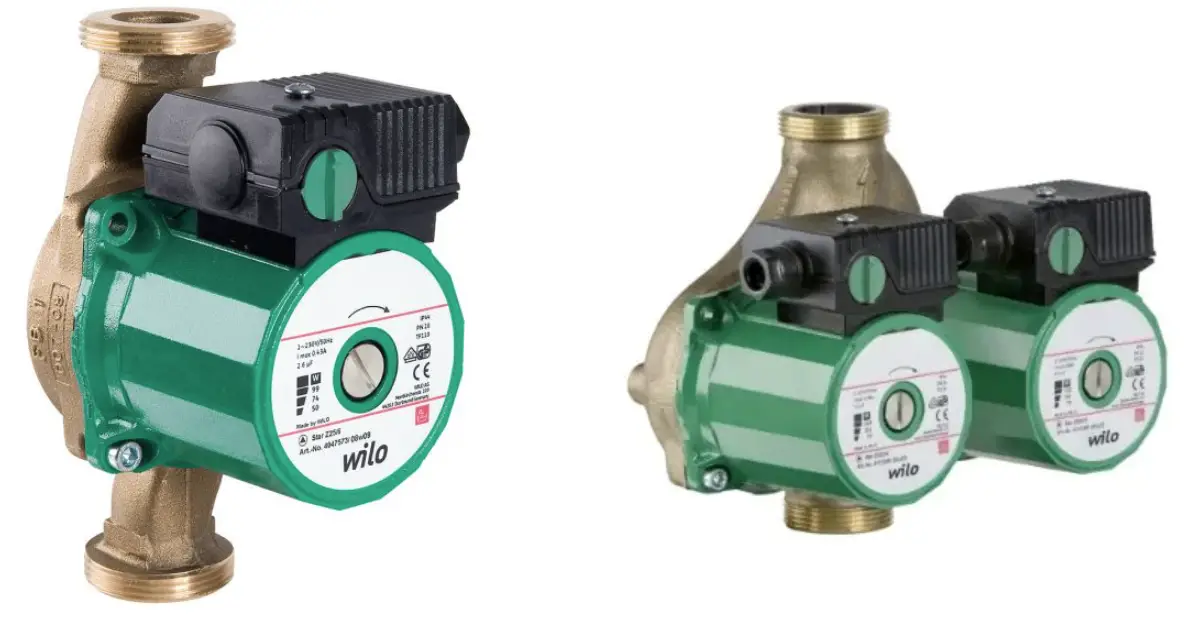
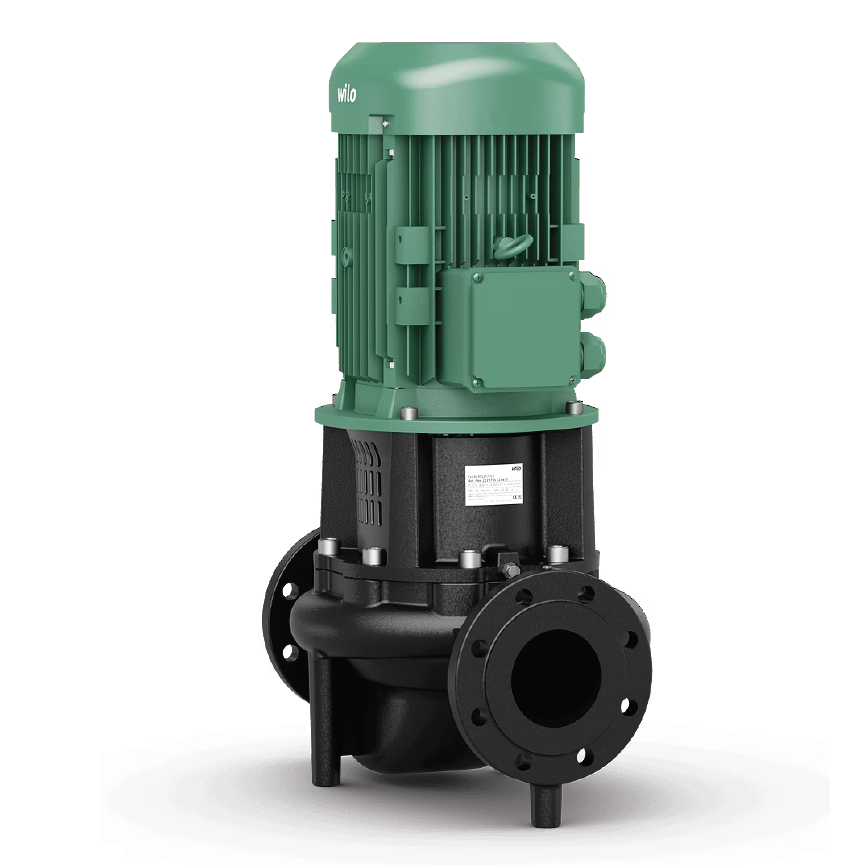
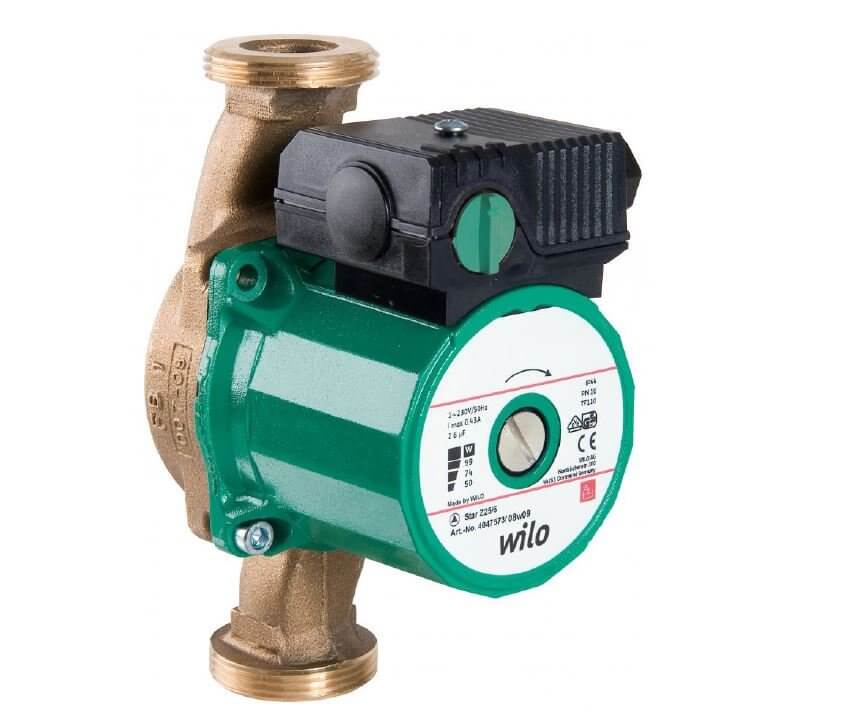
1.High-Efficiency Circulation Pumps
- Frequency Controlled Systems: Our pumps operate in full integration with the climate control computer, adjusting their speed based on real-time demand. When valves close or heat demand decreases, the system automatically reduces the pump speed, providing significant electricity savings.
- Corrosion-Resistant Body: To guarantee a long operational lifespan, we utilize pumps with special cast iron or stainless steel bodies that are highly resistant to the temperature and chemical composition of the water within the heating lines.
2.Hydraulic Balancing and Critical Pressure Management
Distributing water equally across every line in large-scale greenhouse projects is a major challenge. Timfog engineering addresses this through:
- Variable Flow Control: By continuously analyzing pressure differentials within the system, our pumps ensure that even the plants at the furthest reaches of the greenhouse receive the same level of heat.
- Low Operational Noise: Thanks to modern pump designs, mechanical noise is minimized, enhancing the comfort of the working environment.
3.Intelligent Monitoring and Protection Features
The pump groups selected by Timfog are equipped with protection systems to minimize the risk of failure:
- Dry-Run Protection: An automatic shut-off feature is included to prevent damage to the pump in the event of low water levels in the system.
- Thermal Protection: System safety is maintained at the highest level through integrated sensors that protect the motor against overheating.
- Remote Monitoring: Upon request, communication modules can be integrated to connect with greenhouse climate control computers, allowing pump data to be monitored instantly.
The Engineering Difference
Timfog does not select pumps based solely on a catalog. We determine the most efficient Duty Point by performing comprehensive hydraulic modeling. This calculation takes into account:
- The specific diameter of your steel heating pipes.
- The height of the support stands.
- The altitude (elevation above sea level) of the investment site.
- The total line length.
By calculating these variables precisely, we ensure that your system operates at peak performance with the lowest possible energy consumption.